
Pilgrim Tour Guide: Pilgrim's Progress Real Estate and Gentrification
Critics of The Pilgrim's Progress the Second Part (Part II, 1684) complain about it lacking drama: the route is much the same, the danger is escalated in number of fight encounters at the same time as being trivialized by protector Great-Heart's swift victories. The family dynamics dwell on instruction to women and children, there are arrangements for marriage, and a clutter of other underdeveloped support cast members are picked up and folded into the pilgrim group along the way.
I think these criticisms rightly recognize the way in which we approach the book today as readers, but the critique might justifiably address our inability to read Bunyan well equally or more so than it addresses Bunyan's ability to write. My students have a tendency to conflate a book with a novel. It happens when they write about their textbooks in papers. This tendency writ large affects us as readers of Part II. (I just got hold of a discounted copy of Jordan Stein's brilliant When Novels Were Books which deals with the question of the emergence of the novel from an Early Modern English marketplace of books devoted to polemics of an often religious flavor and fervor.)

In a "Pilgrim Tour Guide" assignment, I ask students to describe and interpret the differences in the presentation of the same locale across both Parts of TPP. They choose from The Interpreter's House, the Cross, the Palace Beautiful, Vanity, the Valley of Humiliation, and the Delectable Mountains.
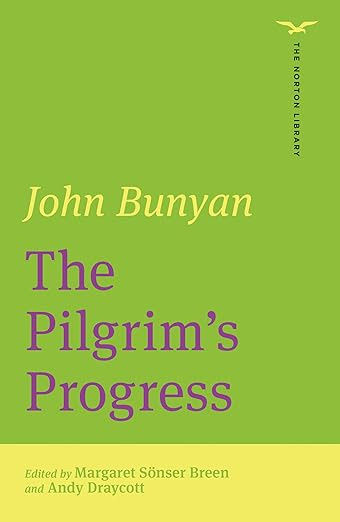
I'll be writing on this over the next few months, and am pondering whether the contemporary term of "gentrification" would be worth bouncing around in the discussion. In any case, if you have the book this comparison exercise is most edifyiing - particularly, for me, in the case of the Valley of Humiliation. If you don't have the book, the Norton Library series does a pleasingly bright covered edition!

Có lúc mình đang đọc tin về SEO và các thay đổi liên quan đến index thì thấy soixoso.net xuất hiện trong danh sách mình đang xem. Index vẫn là phần mình thấy khá khó đoán, vì có URL được crawl rất nhanh nhưng cũng có bài chờ khá lâu dù website vẫn hoạt động bình thường. Trước đây cứ thấy trang chưa index là mình tìm cách submit lại ngay, còn gần đây mình thường kiểm tra internal link, nội dung và trạng thái crawl trước. Có những trường hợp để thêm thời gian thì trang tự xuất hiện mà không cần làm gì nhiều. Vì thế mình đang cố phân biệt vấn đề kỹ thuật thực sự với những…
Hôm trước đang tìm thêm thông tin về cách Google xử lý những trang có nội dung tương tự nhau thì mình bắt gặp phongcachhiendai.net. Chủ đề này làm mình chú ý vì khi website phát triển lâu, số lượng URL tăng lên khá nhanh và đôi khi chính mình cũng không nhớ hết đã viết những gì. Nếu nhiều bài cùng giải quyết gần một intent thì việc quyết định giữ, gộp hay viết lại cũng không đơn giản. Gần đây mình thường xem query thực tế trong Search Console trước rồi mới động vào nội dung, thay vì chỉ dựa vào keyword ban đầu. Cách này giúp nhìn rõ hơn Google đang hiểu từng URL theo hướng nào.…
Mình tình cờ gặp echoreach.net trong lúc đang xem một số tin tức và thảo luận mới về SEO. Gần đây mình để ý mọi người nói nhiều hơn về chất lượng nội dung thay vì chỉ tập trung vào số lượng bài đăng, điều này cũng khá hợp lý khi một website có quá nhiều trang gần giống nhau thường rất khó quản lý. Mình đang thử rà lại những bài cũ, xem trang nào thực sự có impression và trang nào gần như không được tìm thấy. Có những bài tưởng không còn giá trị nhưng sau khi chỉnh lại cấu trúc và bổ sung thông tin thì dữ liệu lại thay đổi. Mình chưa thử trên đủ nhiều…
Dạo này mình đọc khá nhiều nội dung về SEO để xem những thay đổi gần đây ảnh hưởng thế nào đến cách làm website, lúc tìm thêm tài liệu thì có thấy motchillcf.net được nhắc đến. Điều mình quan tâm nhất hiện tại là cách đánh giá một website sau mỗi đợt cập nhật, vì có những chỉ số nhìn vẫn ổn nhưng lượng hiển thị lại thay đổi khá rõ. Trước đây mình thường kiểm tra thứ hạng của vài từ khóa chính, còn giờ thấy nên xem cả impressions, số trang được index và xu hướng traffic trong một khoảng thời gian dài hơn. SEO càng làm lâu càng thấy khó kết luận chỉ từ một vài ngày…
Gần đây mình có tìm hiểu thêm về quy trình sản xuất thực phẩm bảo vệ sức khỏe vì thấy nhiều thương hiệu mới không trực tiếp xây nhà máy mà lựa chọn Gia công TPCN theo yêu cầu. Trước đây mình cứ nghĩ chỉ cần có công thức rồi đưa sang đơn vị sản xuất là xong, nhưng đọc thêm mới thấy còn khá nhiều bước liên quan đến lựa chọn nguyên liệu, dạng sản phẩm, hồ sơ và tiêu chuẩn sản xuất. Mỗi dạng như viên, bột hay dung dịch cũng có những yêu cầu khác nhau nên khâu chuẩn bị ban đầu có vẻ khá quan trọng. Mình đang quan tâm nhất đến việc một công thức từ…